In practice
HE work we're proud of
Higher Education
Academic professional development
Community-Engaged Learning Toolkit
Developed in partnership with the NCCPE and the University of Westminster, this interactive toolkit supports academics to design, deliver, and share community-engaged learning with confidence. Built around expert voices from across the sector, it turns good practice into a practical, accessible resource for course and module design.
Articulate Storyline
SCORM / microsite
NCCPE partnership
University of Westminster


Higher Education
5,000+ views · academic storytelling
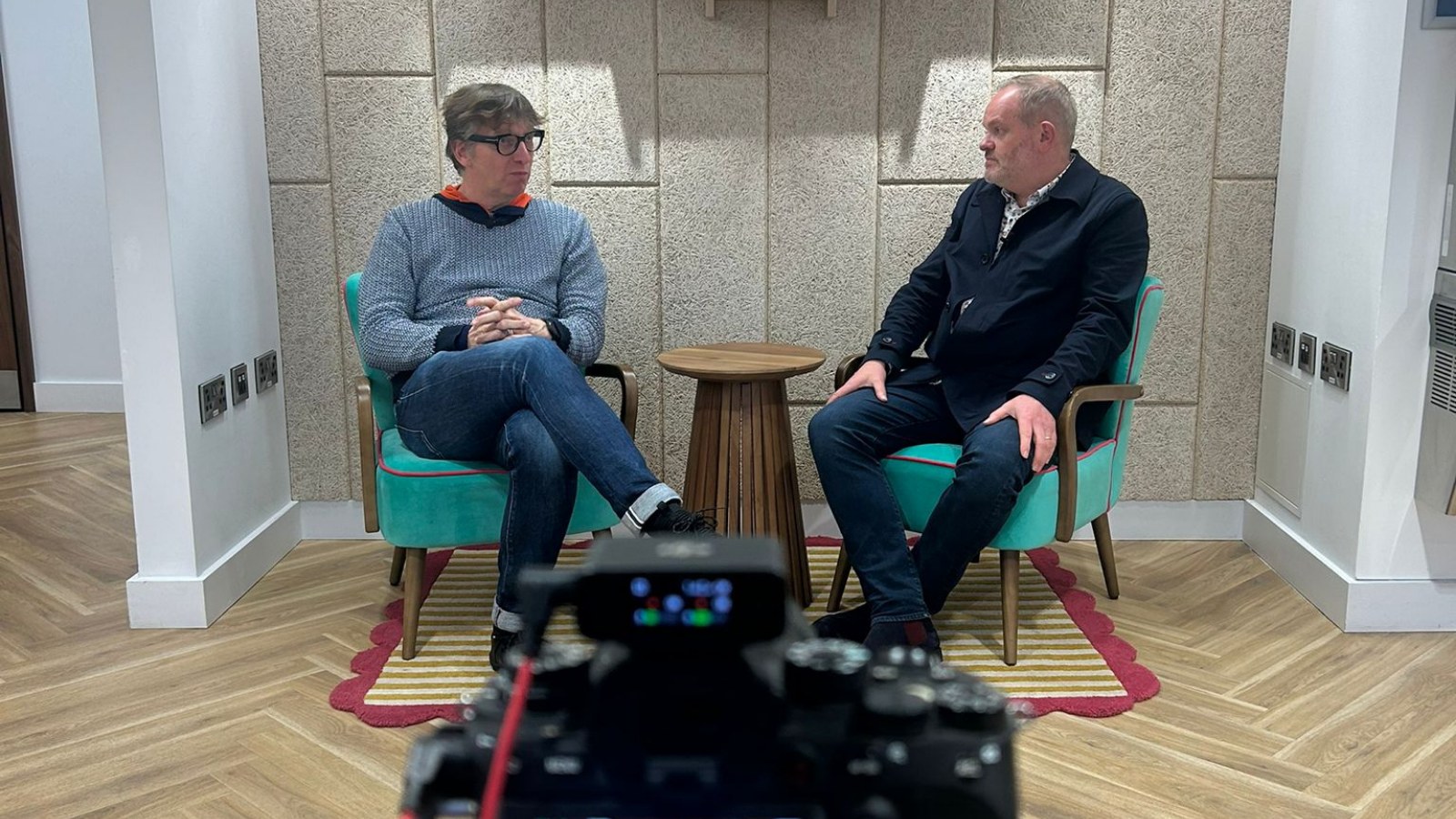
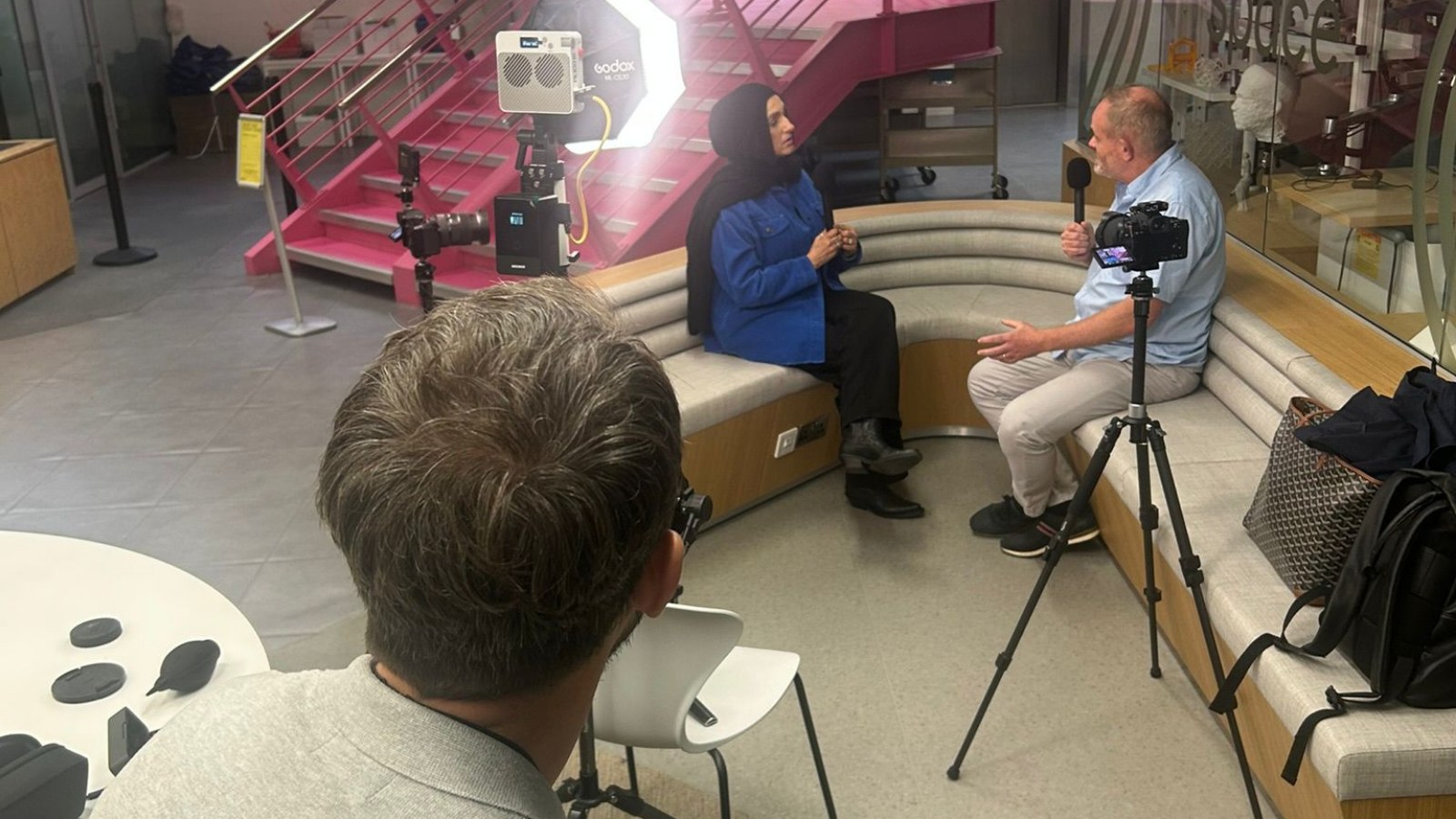
Authentic Learning Films
A collection of over 20 short films capturing authentic learning in practice across the University of Westminster. Featuring academic voices, student experiences, and real classroom stories, the series showcases the breadth of innovative teaching taking place across the institution.
Film production
Vimeo playlist
Academic storytelling
University of Westminster
Higher Education
Sector-wide evaluation capability
Capability Building Evaluation Toolkit
A sector-facing evaluation toolkit developed in collaboration with the University of Westminster, designed to give project teams the skills, tools, and tailored guidance to evaluate their work with confidence. Built around a branching question structure and over 30 short animated videos, it produces a personalised evaluation approach for every user.
SCORM
Branching logic
30+ animated videos
University of Westminster
Higher Education
2,000+ staff & partners
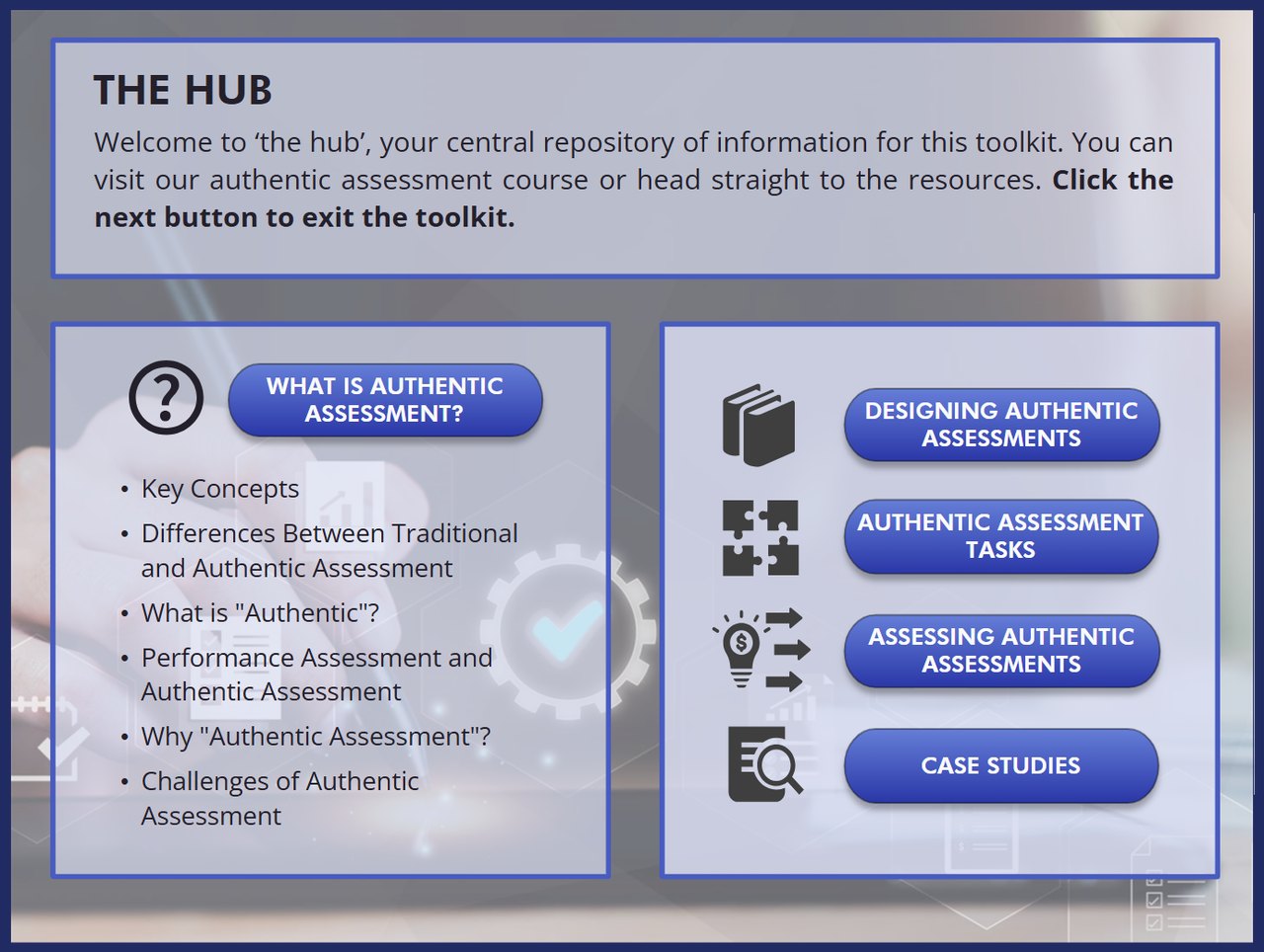
Authentic Assessment Toolkit (SCORM)
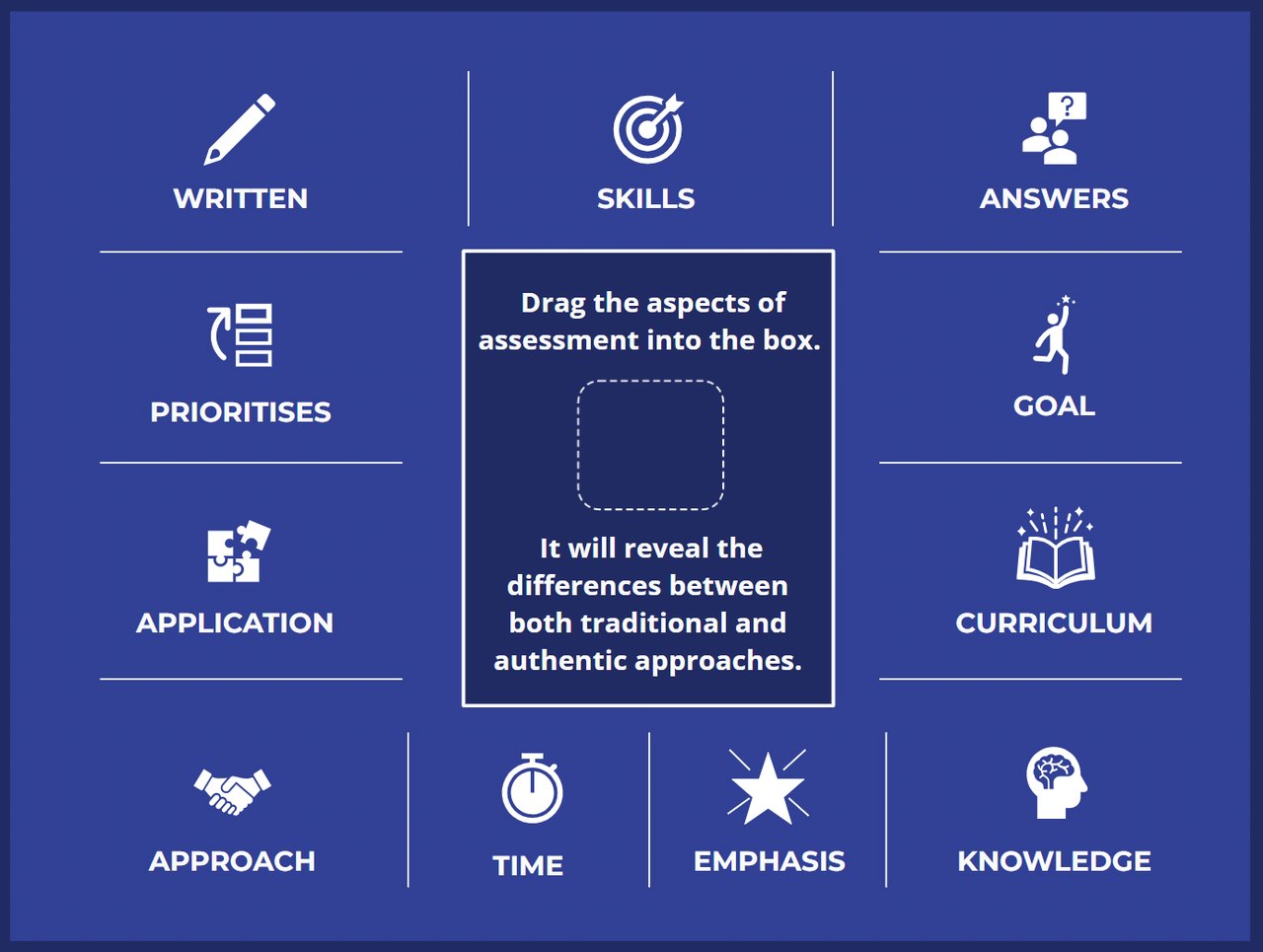
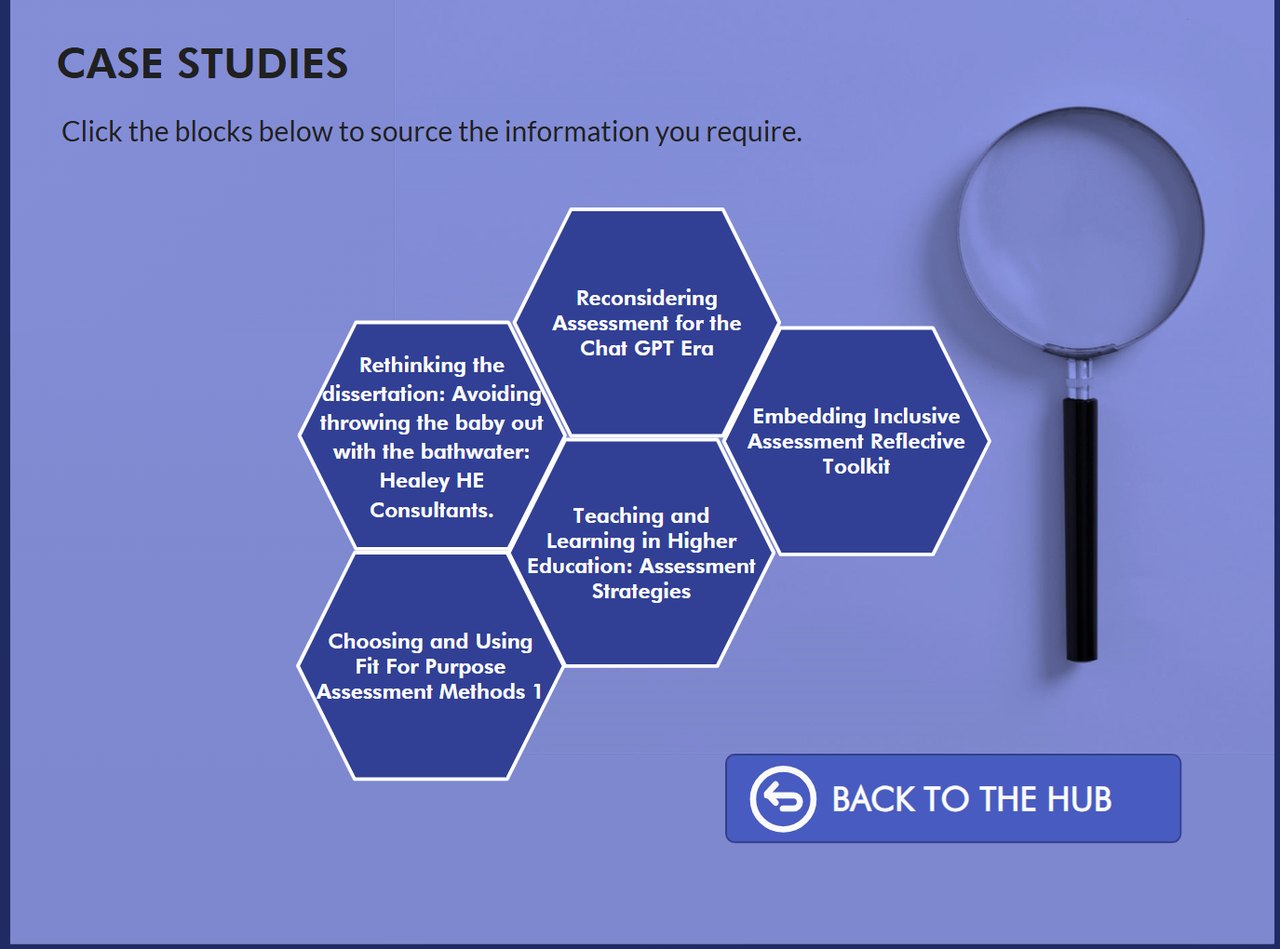
Developed for the University of Westminster, this exploratory SCORM toolkit supports programme leads and academics to rethink assessment through an authentic lens. Grounded in leading scholarship and brought to life through video, theory, and interactive activity, it offers a practical route from established assessment practice to richer, real-world approaches.
SCORM
Exploratory toolkit
Authentic assessment
University of Westminster